Oki Siksika,
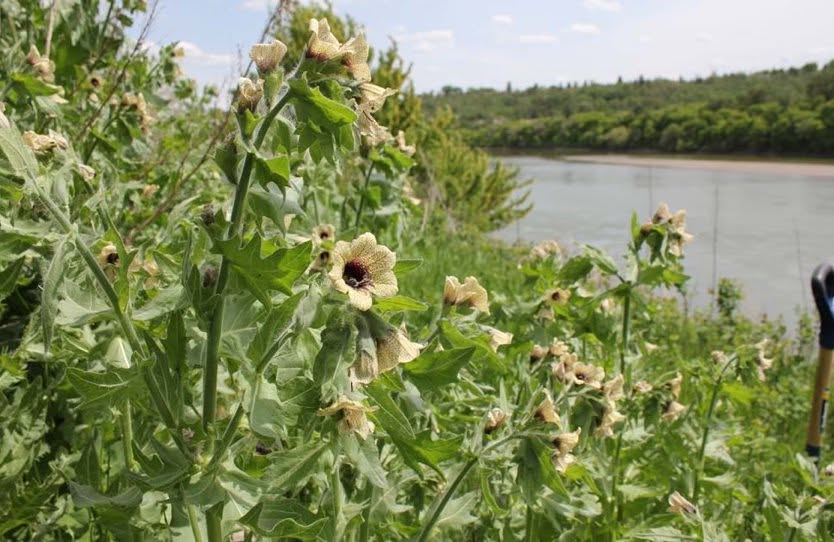
Many people assume mowing is an effective control method, but timing is critical.
DO:
Mow plants before flowers produce mature seed pods to reduce seed production and weaken infestations. [rockyview.ca], [airdriecityview.com]
Inspect mowed areas regularly and follow up with hand-pulling or additional control measures if regrowth occurs. [rockyview.ca], [airdriecityview.com]
DO NOT:
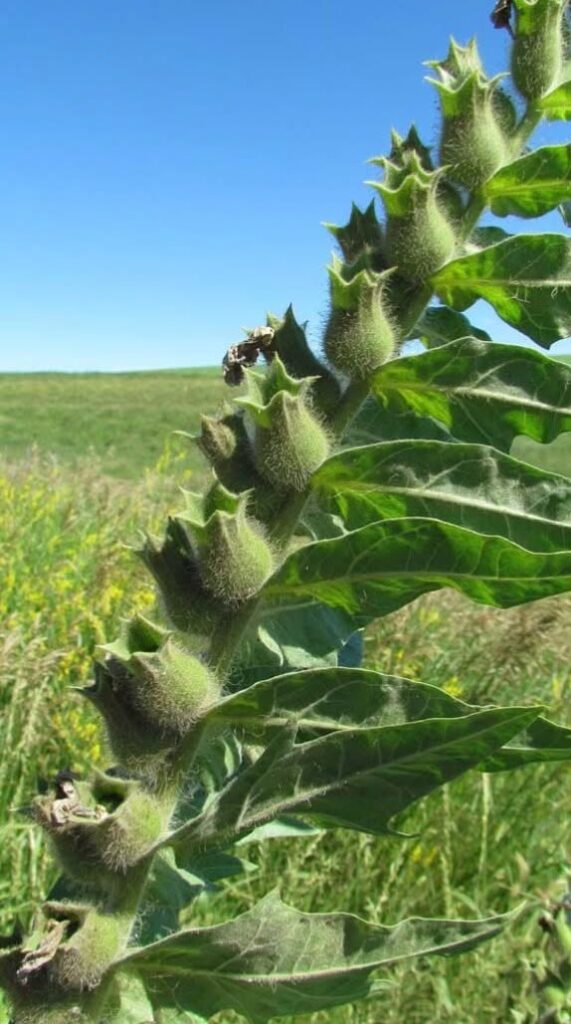
Do not mow black henbane after seed pods have formed or matured. Mowing at this stage can break open the seed capsules and spread thousands of seeds over a larger area, creating new infestations. [rockyview.ca], [airdriecityview.com]
Do not use mowing as the only control method for established infestations. Repeated monitoring and removal are needed to prevent reseeding. [rockyview.ca], [airdriecityview.com]
Do not leave mowed plant material on-site if seed pods are present. Seeds may continue to mature and disperse. [rockyview.ca], [airdriecityview.com]
Why This Matters
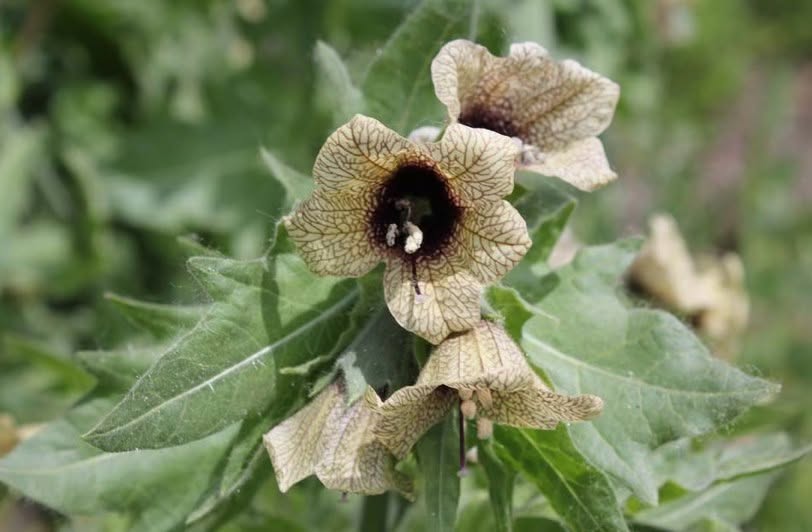
A single black henbane plant can produce up to 500,000 seeds, and those seeds can remain viable in the soil for up to five years. Mowing mature plants can unintentionally help the weed spread farther and faster. [rockyview.ca], [airdriecityview.com]
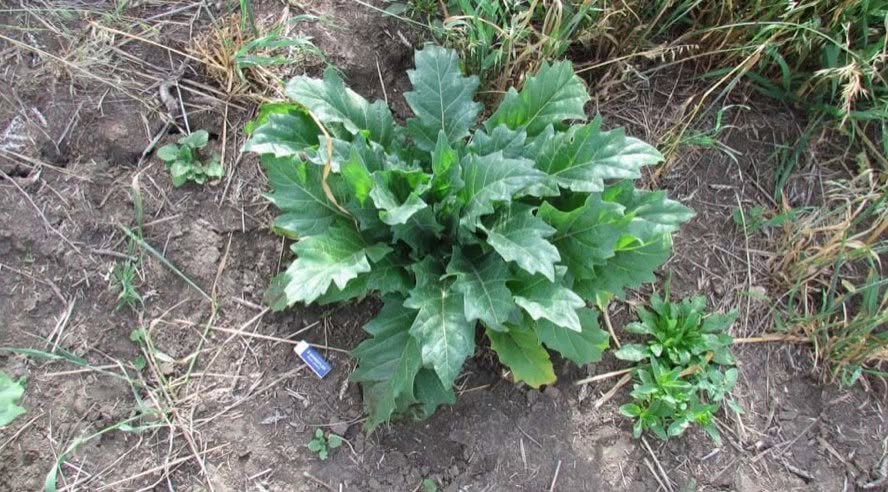
Best practice: Hand-pull or dig plants before seed set, bag them immediately, and dispose of them in the garbage. If mowing is necessary, do so early before seed pods develop. [rockyview.ca], [airdriecityview.com], [cbc.ca]
To report a suspected location:
Please contact Siksika Land Management at (403) 734-5282 or by email landsreception@siksikanation.com.
Thank you for helping protect Siksika Nation Lands from invasive species.
Kiitakitamaatsin.